
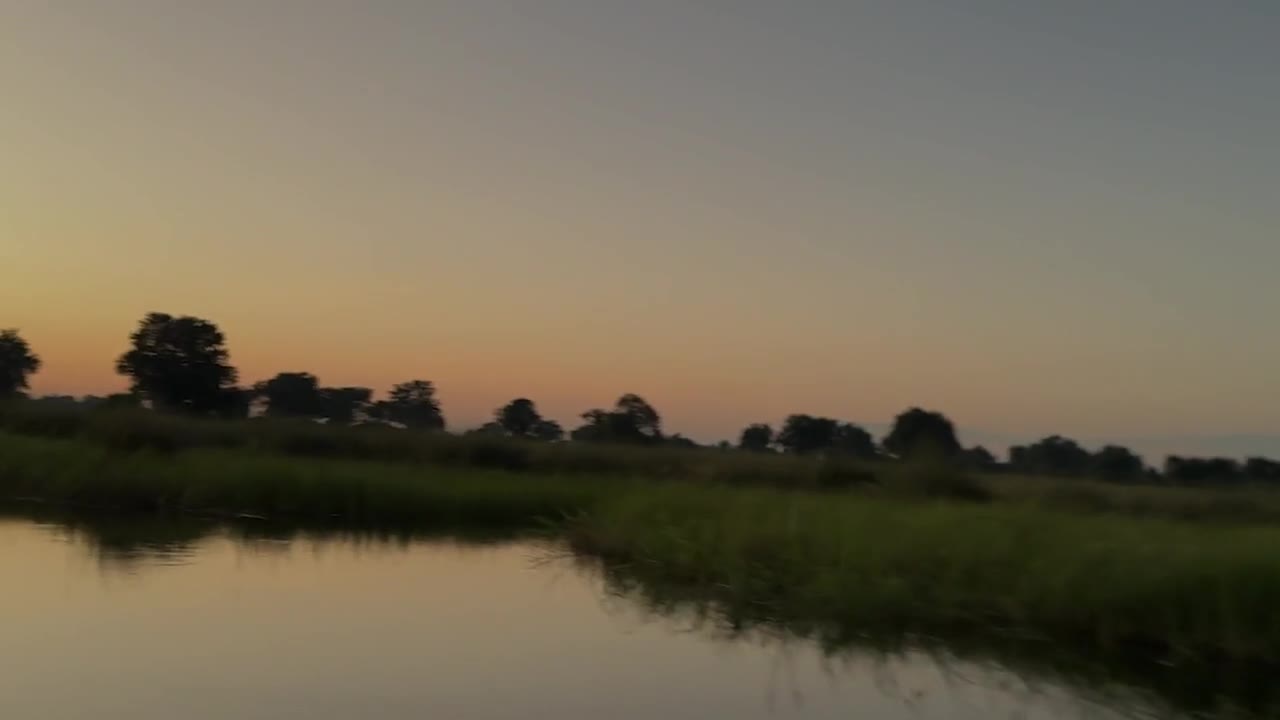
Botswana Zebra Migration
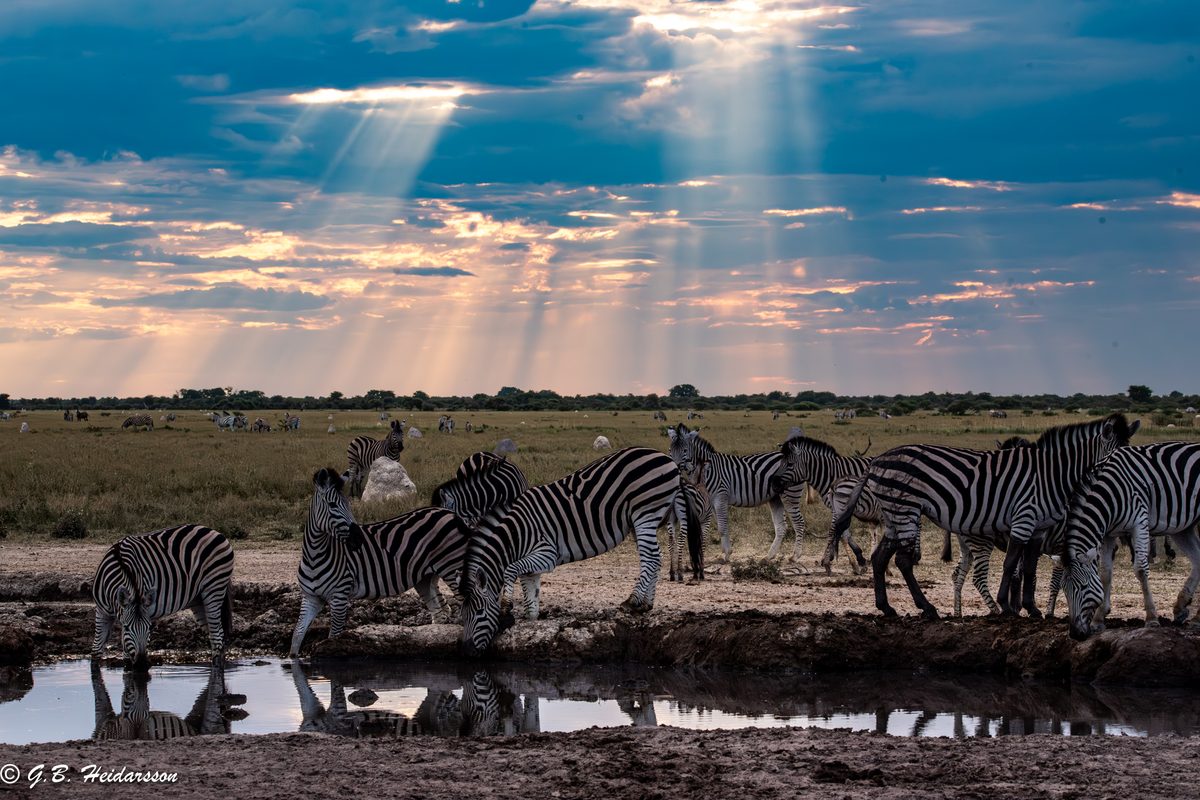
Tens of thousands of zebras migrate across Botswana every year. We meet them at three points along the route.
March 6–18, 2027. Thirteen days, twelve nights. $13,660 per person.
For almost forty years, this migration did not happen.
Veterinary cattle fences went up across northern Botswana in the late 1960s, cutting routes the zebras had used for as long as anyone had recorded them. The animals stopped moving. In 2004, Botswana began taking the fences down, including the one at Nxai Pan.
The zebras came back. Not from memory. Plains zebra live about twelve years, so three generations had been born and died against that fence. No animal alive in 2004 had ever made the journey, and neither had its parents or grandparents. Within four years they were running a direct route again.
Nature didn't need to be restored. It needed the fence removed.
- 1968Veterinary cordon fence cuts the route
- 1968–2004About three zebra generations. None of them migrate.
- 2004The fence comes down
- By 2008A direct route, re-established
Source: Bartlam-Brooks, Bonyongo & Harris, "Will reconnecting ecosystems allow long-distance mammal migrations to resume?" Oryx 45(2), 2011.
It isn't a line
Permanent water sits in the north, in the Okavango Delta and along the Chobe River. The mineral-rich pans sit south, at Makgadikgadi and Nxai Pan. The summer rains pull the animals down, and the drying pans push them back up, along two documented routes that converge on the same ground.
Closer to a triangle than a corridor. Our route runs through the middle of it.
Why March
Tens of thousands of zebras migrate in Botswana. We don't pretend to show you all of them.
What we do is meet the migration at three points along its route. March puts us there as the rains taper and the weather is still warm.
It also means three landscapes rather than one: salt pan, grassland, and delta. Different geology, different ground, different species in each. That is difficult to get on an Africa trip built around a single camp, and it is the reason this itinerary has the shape it does.
- MakgadikgadiOften the satellite herds, small groups of males out ahead of the rest. Elephants along the Boteti River.
- Nxai PanThe animals coming through properly. Baines' Baobabs, springbok, kudu, and open grassland.
- Okavango DeltaWhere the water is permanent, and the late ones are still arriving.
Day by day
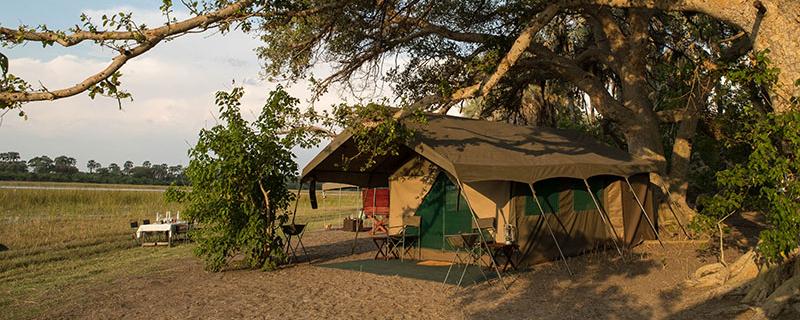
Seven nights in a mobile tented camp that moves with us, then four nights in the Okavango Delta, reached by light aircraft from Maun. The camp follows where the herds are that week, not where a brochure says they should be, so the days below are the shape of the trip rather than a fixed script.
Johannesburg
Day 1 · Mar 6Arrive Johannesburg
Overnight at the InterContinental at O.R. Tambo, a short walk across from international arrivals. No transfer, no traffic, and you are steps from the morning flight.
Makgadikgadi · mobile tented camp
Day 2 · Mar 7Fly to Maun, drive to Khumaga
Morning flight to Maun, where your guides meet you. The drive out to the Khumaga side of Makgadikgadi National Park is also the first game drive. Dinner in camp.
Day 3 · Mar 8Looking for the herds
Out early in open vehicles, with breakfast in the field, looking for the migration. Back to camp for lunch through the heat of the day, and out again in the afternoon.
Day 4 · Mar 9Makgadikgadi
Morning and afternoon drives. Where we go depends on where the herds are that week. Khumaga sits on the Boteti River, and the river draws elephant down to drink.
Nxai Pan · mobile tented camp
Day 5 · Mar 10North to Nxai Pan
The camp moves north with us. We drive in, watching the country as we go, and settle into the new site by late afternoon.
Day 6 · Mar 11Nxai Pan
Morning and afternoon drives on the pan and its grasslands, where the herds come through. Springbok and giraffe on the open ground.
Day 7 · Mar 12Baines' Baobabs
A drive out to Baines' Baobabs, the stand of trees Thomas Baines painted in 1862, and a long view across the pan.
Day 8 · Mar 13A last day at Nxai Pan
A final full day of drives, following wherever the week has shown us the animals are. The last evening in the mobile camp.
Okavango Delta
Day 9 · Mar 14Maun, then light aircraft into the Delta
A last morning at Nxai Pan, back to Maun, and a short flight into the Delta. An afternoon game drive once you land.
Day 10 · Mar 15Game drives in the Delta
Morning and afternoon drives in open vehicles. Where conditions allow, and only then, the guides may take the group out on foot.
Day 11 · Mar 16On the water
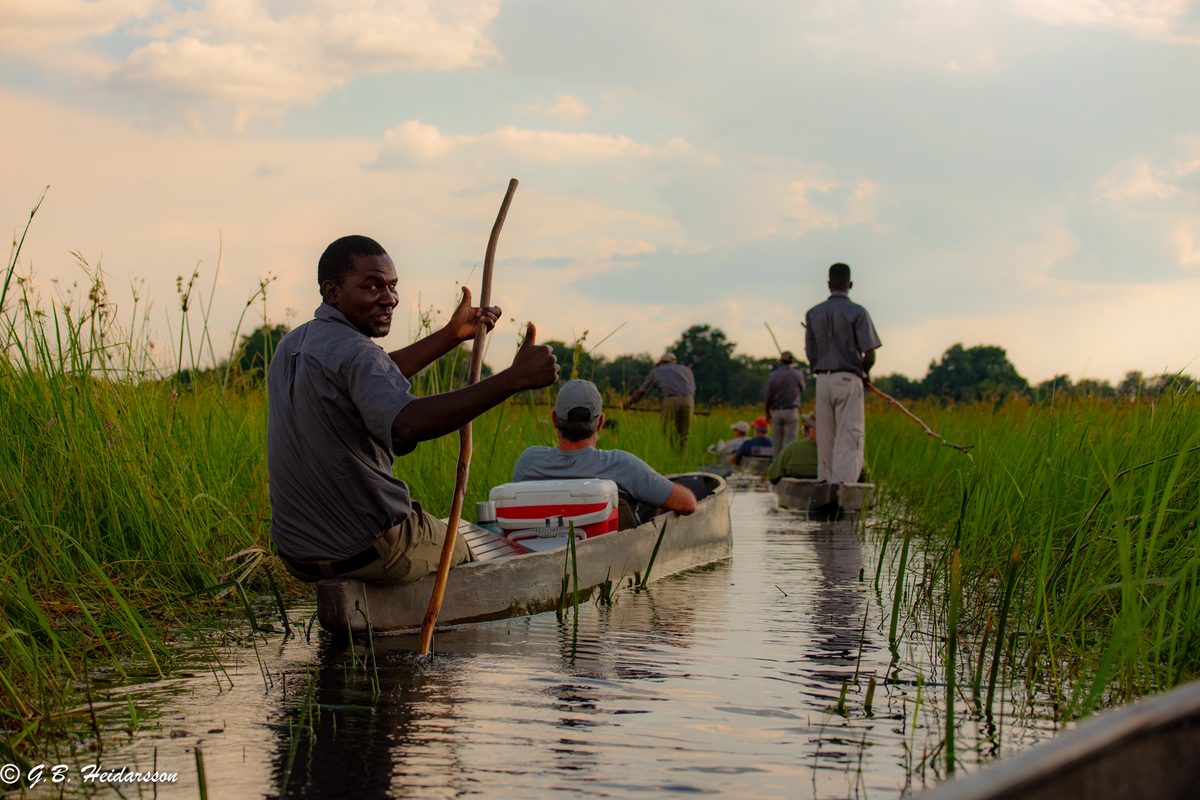
Out on the channels by mokoro, the poled canoe of the Delta, at water level. Hippo, crocodile, and the birds of the reed beds.
Day 12 · Mar 17Shaped around the group
The last full day goes where the group wants it to go: more time on the water, or back to the best sighting of the week.
Departure
Day 13 · Mar 18Fly out to Maun
Early flight from the Delta to Maun for onward connections. Victoria Falls can be added from here; see below.
Who you travel with
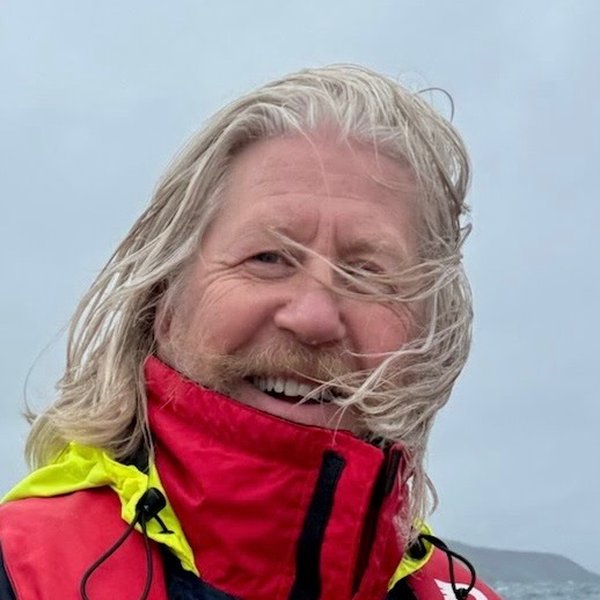
G.B. Heidarsson
Founder, IcelandX Global Travel
Has guided since he was eighteen. He designed this itinerary, ran it in March 2025, and leads it himself. The person who answers your questions before you book is the person beside you in the vehicle.

Alex
Guide and wildlife photographer
British by birth, sub-Saharan by career. He trained and worked as a field guide in southern Africa, and has spent fifteen years guiding and photographing across it. He travels with us on most Africa departures, and he is the one to ask about your camera.
Andrew
Mobile camp operator
Scottish by birth, married to a South African, Botswanan by choice. He runs the mobile tented camp as a family business, and he is the reason we know where the herds are in a given week rather than where they are supposed to be.
These are not vendors we found in a database. They are people we have worked alongside for years.
Seats and terms
$13,660
per person, sharing a tent
- Dates
- March 6–18, 2027
- Group size
- Eleven travellers, maximum
- Single supplement
- $1,350
- Deposit
- 10% of the trip price ($1,366 per person), due within 10 days of reserving. The deposit is non-refundable.
Botswana caps any group in the wild at 25 people, staff included. This trip runs with a staff of fourteen, which leaves eleven seats. Two are taken.
Included
- One night at the InterContinental, O.R. Tambo, Johannesburg
- Seven nights in the mobile tented camp, Makgadikgadi and Nxai Pan
- Four nights in the Okavango Delta
- Flights Johannesburg to Maun, and light aircraft Maun to the Delta and back
- All road transfers in Botswana
- All meals from day 2 through breakfast on day 13, except lunch on the travel day to Maun
- Local drinks and cocktails
- Two game activities a day
- Park fees and taxes
- Okavango Air Rescue membership for every traveller
- Guided throughout by G.B. and Alex
Not included
- International flights to Johannesburg
- Travel insurance
- Gratuities for the camp staff
- Premium spirits
- Lunch on day 2, and lunch and dinner on day 13
- Hotel nights after the trip
Adding Victoria Falls
Victoria Falls is a short hop from Maun and can be added at the end of the trip. Ask when you request the itinerary.
One honest note about March: the falls are at their highest volume, the most water of the whole year going over the edge. It is also why Devil's Pool, the swimming spot at the lip, is usually under the river that month. If Devil's Pool is the reason you want to go, go in a different season.
From the March 2025 departure
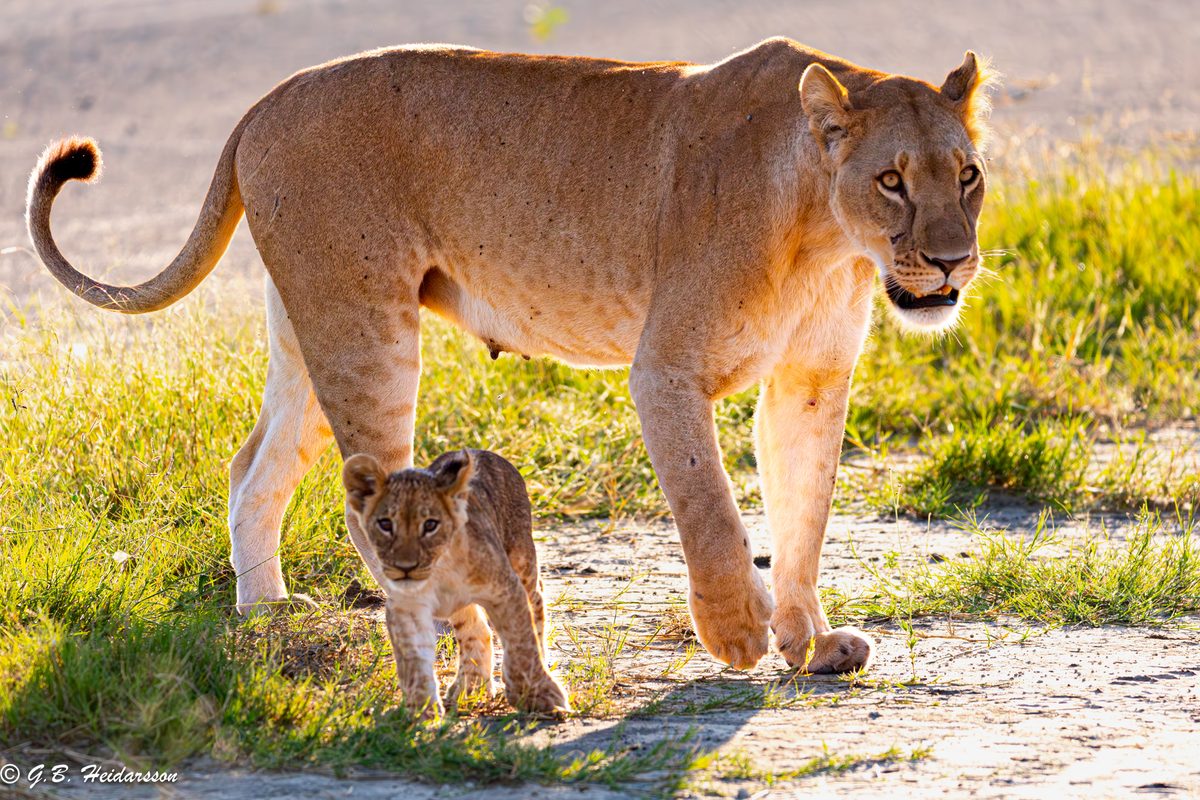
We spent two years planning this trip and ran it in March 2025. It went well enough that we are not changing it. Every photograph below was taken on that departure.


Go where it is actually happening
Small operators like us don't run the same itinerary twelve months a year. We go where the thing is actually happening, in the month it actually happens, with people who live there.
Leave your name and email and we will send you the full itinerary, with the current seat count.
Travel advisors: rates, co-branded materials and commission terms are on the agent portal.